
Mediterranean Cruise Tips & Tricks: Rome + 9 Nights on Carnival Miracle
Late September into early October 2025, my wife and I kicked off our honeymoon with a classic Mediterranean plan: fly into Rome, spend one night, then sail for nine nights on the Carnival Miracle. It was equal parts breathtaking (hello, Colosseum and Pompeii) and “learn-it-the-hard-way” (like panicking with dead phones at 9:00 a.m. in Rome).
If you’re 55+ and love overseas travel, a Mediterranean cruise can be one of the most efficient ways to see multiple countries—as long as you plan for comfort, mobility, and a few key logistics. Consider this a mix of story + field guide: what we did, what we’d do again, and what we’d do differently.
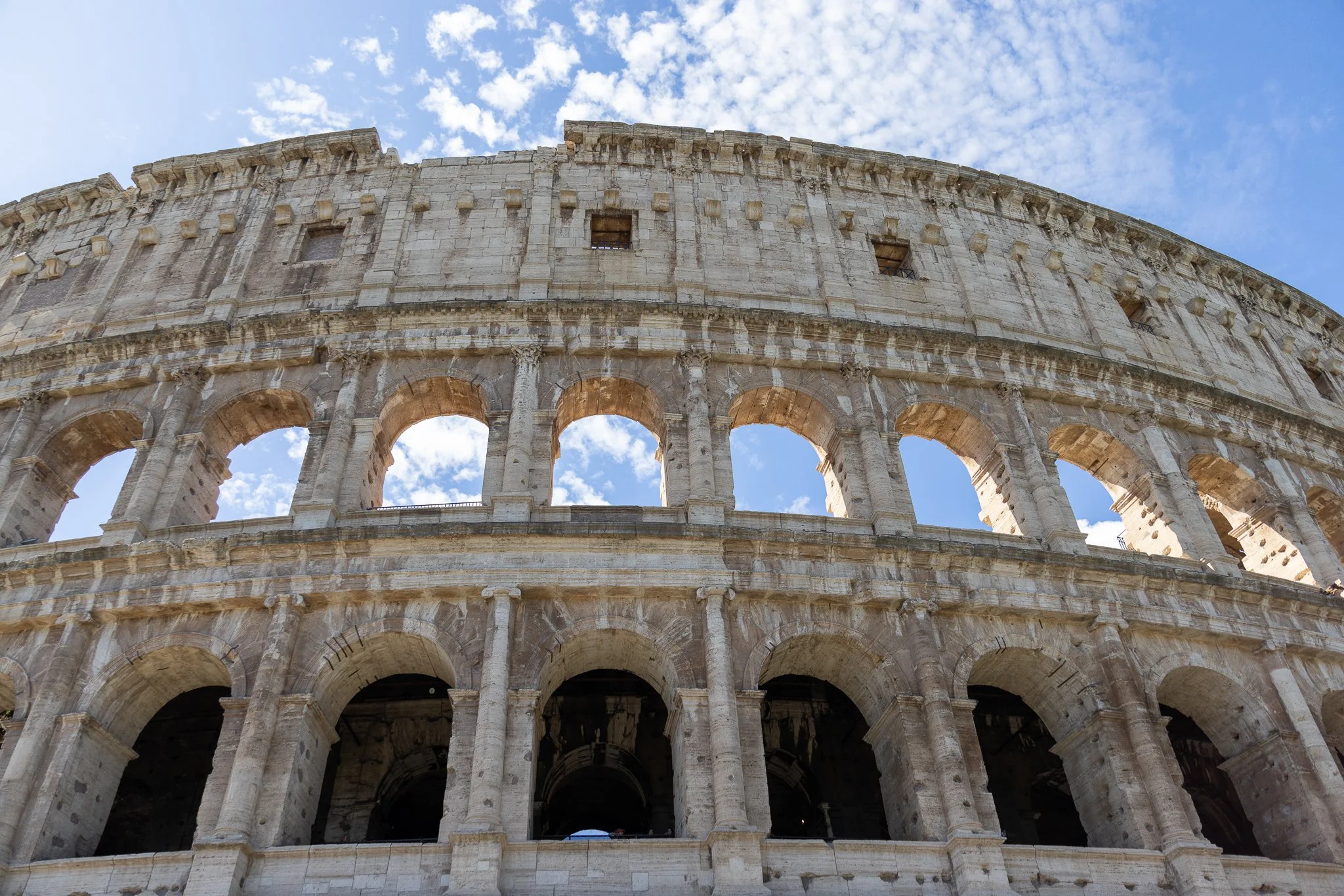
Image of the Colosseum
The “Day-One Reality Check” in Rome: Land at 9 a.m. and Keep Moving
We flew MSP → Ontario → Rome overnight and landed around 9:00 a.m. The adrenaline was great… until we realized we forgot to charge our phones on the plane. If you’ve ever tried to navigate a new country on low battery, you know the feeling.
Tip: Don’t let your phone battery be your first travel emergency
- Charge devices before landing, and pack a fully charged power bank in your personal item.
- Screenshot anything important (hotel address, shuttle info, cruise documents) so you’re not dependent on cell service.
Our Rome hotel win: Early check-in saved the day
We stayed at Cardo Roma, and they let us check in early, which was huge after an overnight flight. Early check-in isn’t always guaranteed, but even being able to drop luggage can turn a chaotic morning into a manageable one.
55+ comfort tip: If your arrival is early morning, email your hotel in advance and ask:
- whether you can store luggage, and
- if early check-in is sometimes possible (even for a fee)
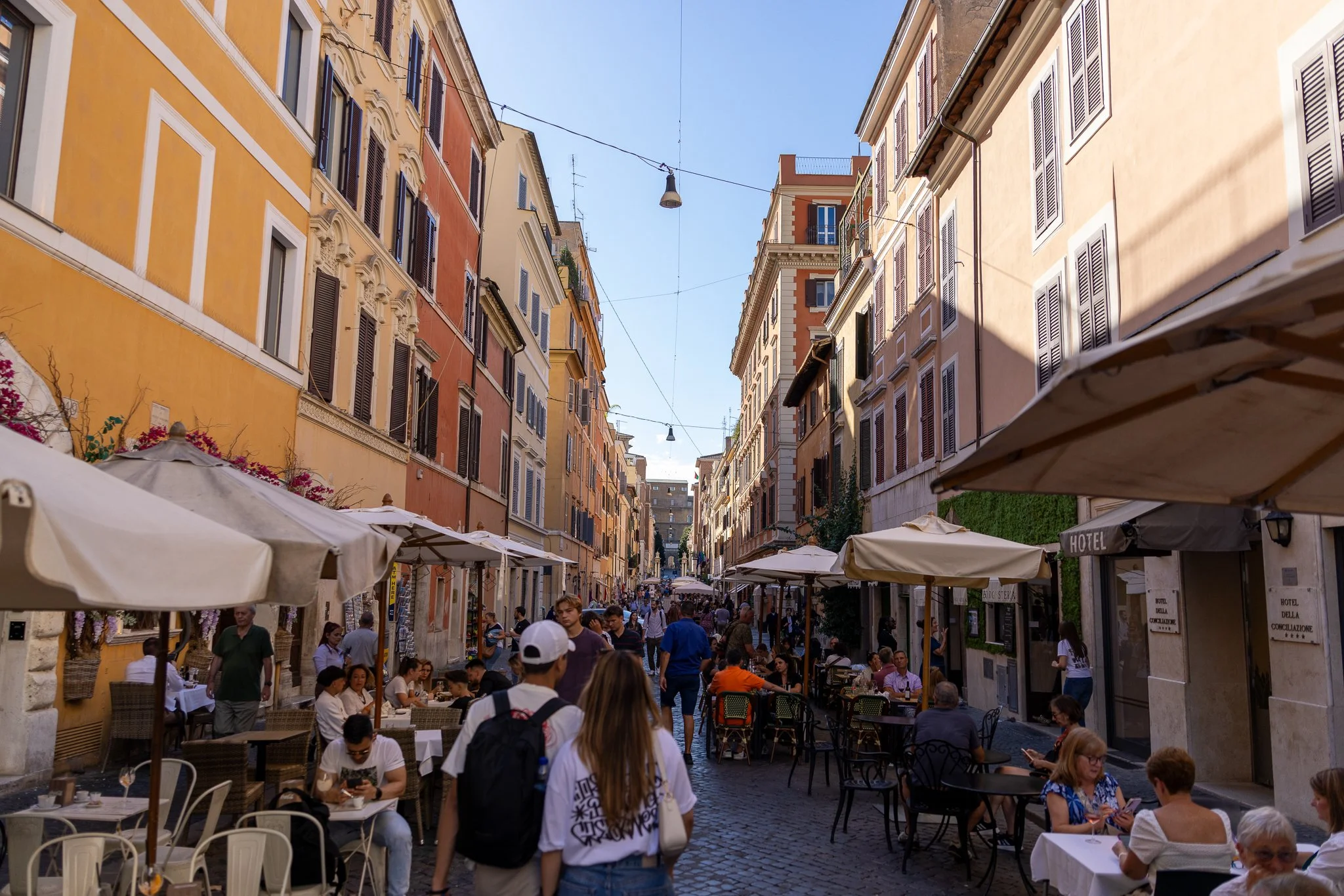
City streets in Rome, Italy
Getting Around Rome: “Uber” Works… But Not Like It Does at Home
We took an “Uber” to the hotel—quotes intentional. In Rome, Uber availability can be different than the U.S., and often functions as premium rides and/or interfaces with licensed local services rather than a typical UberX experience. If it felt like a taxi, that’s because Rome’s ride-hailing ecosystem is its own thing.
Our driver didn’t speak much English, but we got there just fine.
Tip: Have the address ready in two formats
- Show the driver the address on your phone and keep it written down.
- If your hotel name is common, include street + number.
The Cardo Roma shuttle: A hidden superpower
Our hotel offered a free shuttle into central Rome, then picked us up later. The catch? It wasn’t clearly mentioned online, and it ran on a schedule.
Tip: Ask at check-in:
- shuttle times, pickup point, and last return shuttle
- whether you need a reservation
Rome in One Day: Walkable, Unforgettable, and Easier If You Pre-Book
Rome surprised us in the best way: it’s shockingly walkable if you plan your route and pace yourself. We walked Colosseum → Vatican → Pantheon area (we only viewed the Pantheon from outside, but it was worth it).
Tip: Book major tickets before you go
- We bought Colosseum tickets online and skipped long lines.
- We booked the Vatican too late—self-guided tickets were sold out, so we paid more for a tour.
The tour itself was excellent, and seeing Michelangelo’s Sistine Chapel was a top highlight. But if you want lower cost and flexibility, book early.
55+ pacing tip: Rome is walkable, but it’s also a lot of uneven stone. If you’re building a one-day itinerary:
- plan for coffee stops
- use taxis between major “clusters” if needed
- wear your most reliable walking shoes—not your “new” shoes
One small cultural tip Americans learn fast: water isn’t automatic
At many restaurants, water isn’t just “brought to the table.” You typically ask and pay for bottled water. Good phrases to know:
- Acqua naturale (still)
- Acqua frizzante (sparkling)
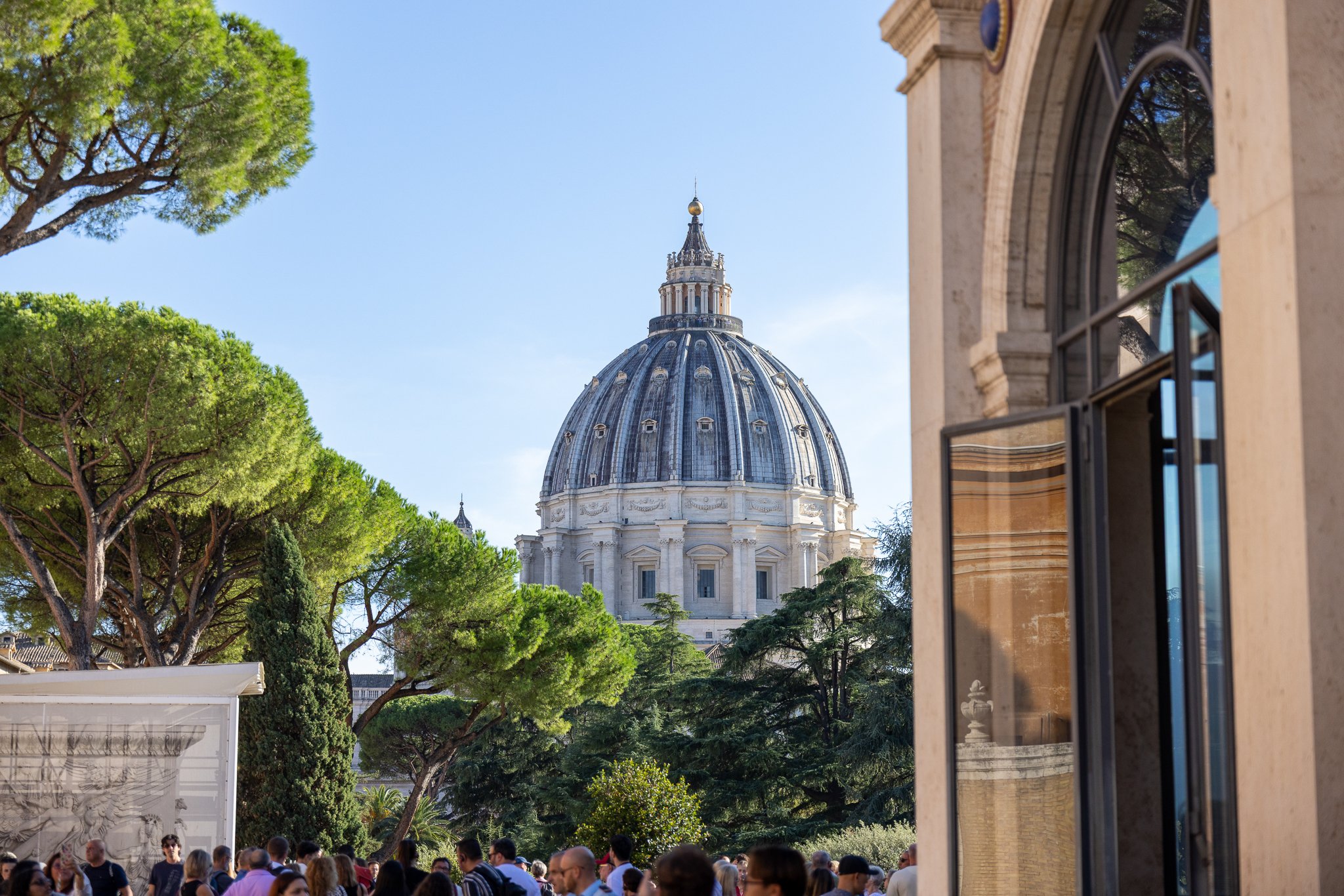
Image of St. Peter’s Basilica
Getting to the Ship: Rome → Civitavecchia by Train (Worth It, With One Warning)
The next day was embarkation day. We got to Roma Termini, then took the train to Civitavecchia, the main cruise port town near Rome.
Why we did it:
- Taxi direct to port was quoted around $150
- We spent roughly $30 taxi + $20 for two train tickets, and it took about one hour (plus a short taxi at Civitavecchia)
Tip: Train stations can be confusing—build time buffer
We bought train tickets online about a week in advance, but the platform number never showed on the board. We nearly missed it and had to ask a station worker.
Best practice:
- arrive early
- watch for last-minute platform changes
- don’t be shy about asking staff which platform you need
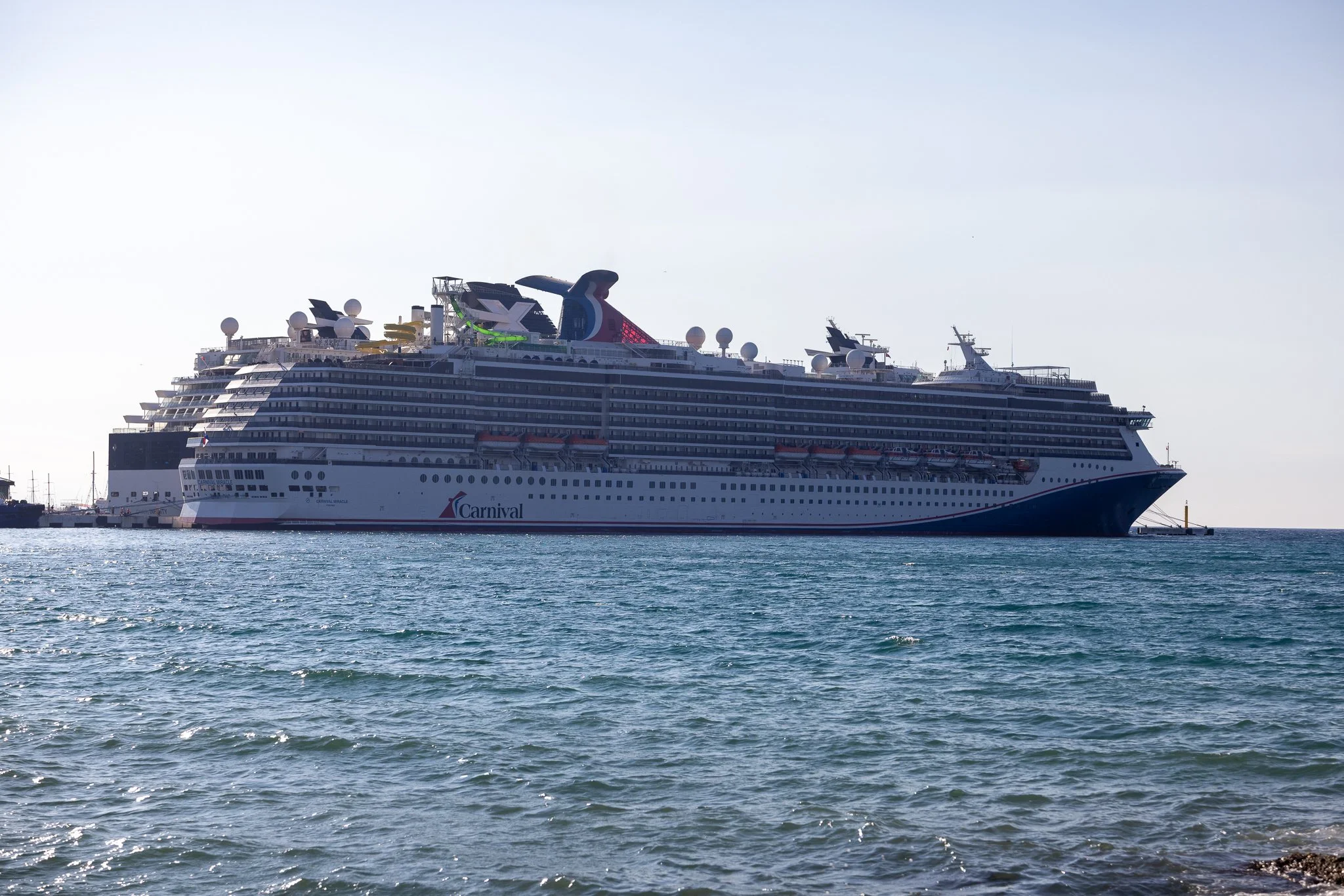
The Carnival Miracle cruise ship
First Impressions: Carnival Miracle Has “Older Ship” Charm (In a Good Way)
We sailed on the Carnival Miracle, which entered service in 2004 and carries about 2,124 guests with roughly 930 team members—big enough for variety, not so massive that it feels like a floating city.
We had a balcony room, and we loved it. For many 55+ travelers, a balcony is more than “nice to have”—it’s your built-in quiet space:
- fresh air
- private views
- an easy reset between activities
Ship Life Tips We’d Repeat
Tip: Do the dining room at night (especially on Carnival)
Our strongest on-ship recommendation: eat in the main dining room for dinner.
- You get an assigned time/table, which creates rhythm.
- You get to know your server.
- Our dining room meals were consistently excellent and included.
The buffet worked fine for casual lunches (especially sea days), but it felt like a step down from the dining room.
Tip: Shows are worth your time
We loved the comedy and nightly theater performances. A cruise is one of the few vacations where entertainment is right downstairs, and it’s an easy win if you want something fun without extra planning.
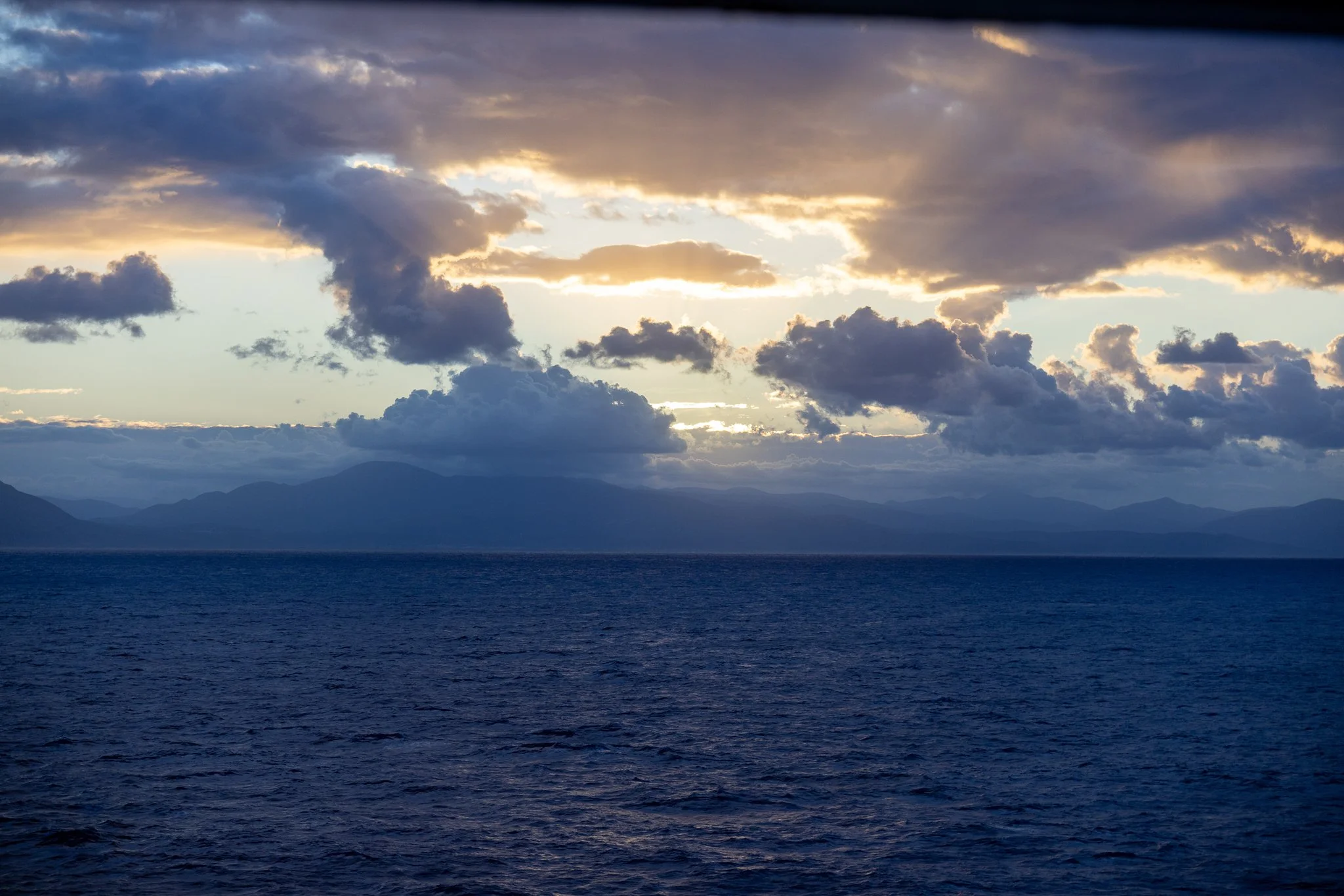
Sunrise view from the cruise
The Drink Package Reality Check: Convenient, But Not Always Worth It
We bought Carnival’s CHEERS! drink package, which includes up to 15 alcoholic drinks per day, plus a range of non-alcoholic options like soda, energy drinks, bottled water, and more.
For us:
- early trip: ~10 drinks/day
- later trip: 5–8 drinks/day
- we didn’t consistently “break even,” especially with port days and end-of-trip fatigue
Tip: Consider pay-as-you-go + hydration strategy
Instead of a full package, we’d recommend:
- pay per drink
- bring electrolyte packs
- bring a reusable water bottle
55+ comfort note: Hydration is the difference between “I feel great” and “why do I have a headache every afternoon,” especially with walking, sun, wine, and salty foods in the mix.
Excursions: Viator Made It Easy to Customize Every Port
We used Viator for every experience and liked the ability to choose:
- small group tours when we wanted structure
- no tour days when we wanted freedom
General tip: For 55+ travelers, small group tours often hit the sweet spot:
- less waiting
- better pacing
- easier to hear/see everything
- less “herding”
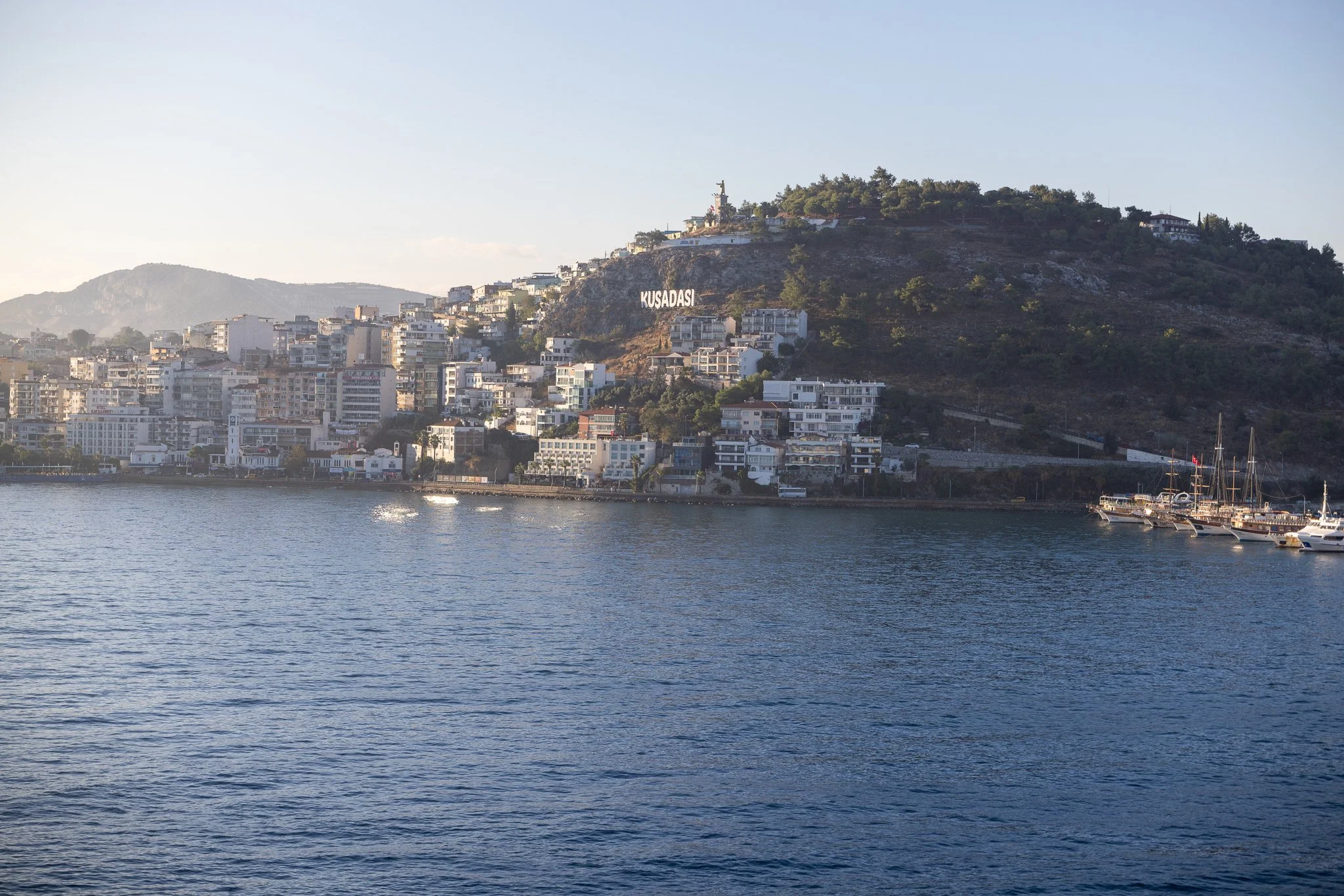
Port city of Kuşadası
Port 1: Kuşadası, Turkey — Ephesus Was the Day We’ll Never Forget
On day three, we arrived in Kuşadası and booked a small group tour. This was one of our best decisions.
The highlight was Ephesus, where you’re walking through a place layered with history—and for us, it was especially meaningful to see where the Apostle Paul preached.
Tip: Expect sales pressure and plan your “no thanks” response
Turkey was beautiful, but vendors can be persistent—especially at rug shops and tourist corridors.
- A calm “No thank you” and keep moving works.
- Keep valuables close (we loved our cross-body bags).
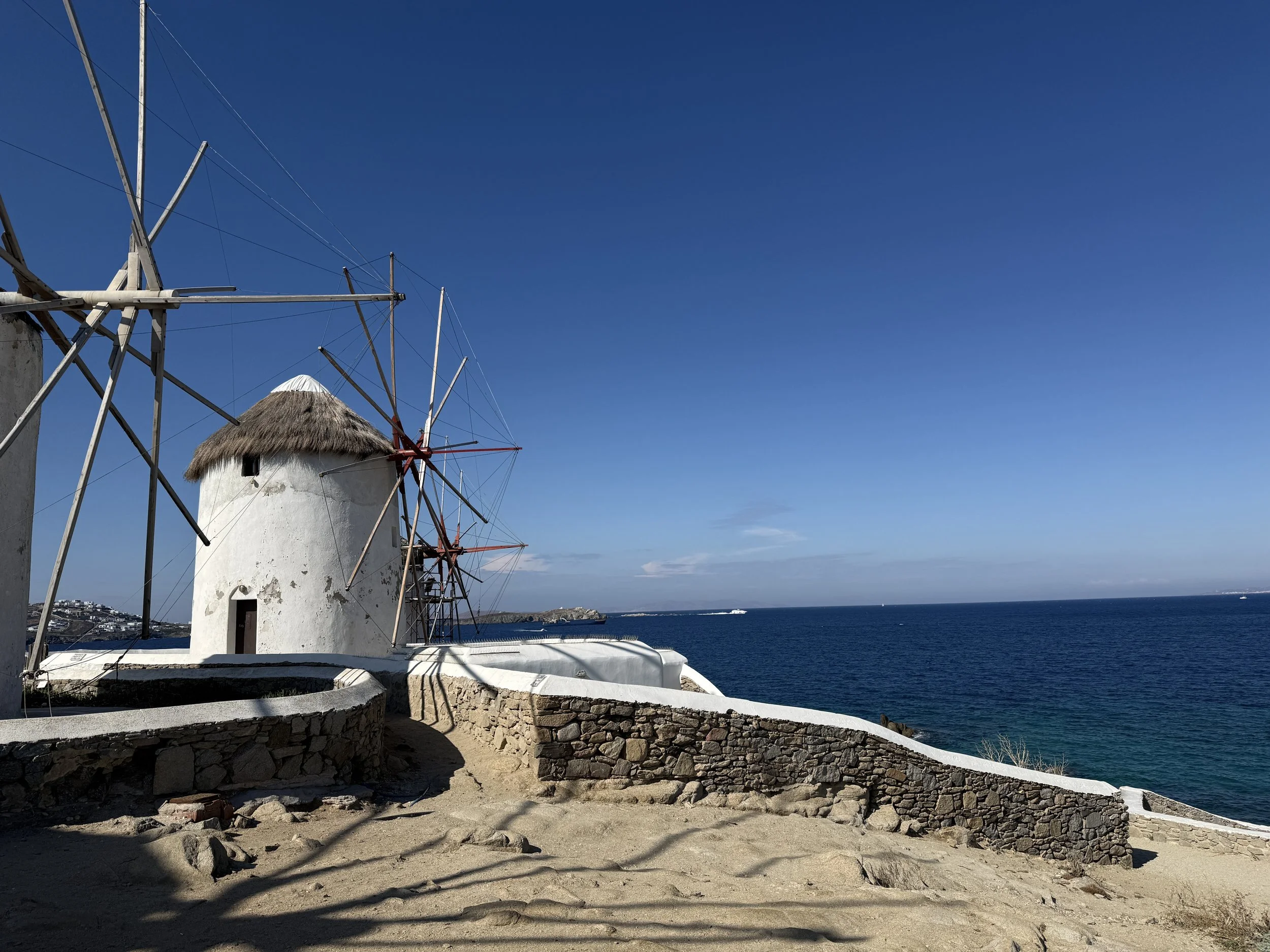
The famous windmills of Mykonos
Port 2: Mykonos, Greece — A Perfect DIY Day (Beach + Wandering)
In Mykonos, we didn’t book an excursion. We wanted a simpler day: beach, wandering, and soaking up the island vibe.
We walked to Paralia Megali Ammos and used the free Carnival towels—easy and practical.
Things to do in Mykonos that are low-stress and high-reward
- Wander Mykonos Town (Chora) for iconic white-and-blue streets and shops
- See the windmills and the Little Venice area (classic photo spots)
- Find a seaside café and let the day be simple
55+ pacing tip: Mykonos is great for “choose your own adventure.” You can do a lot without committing to a long bus ride or rigid schedule.
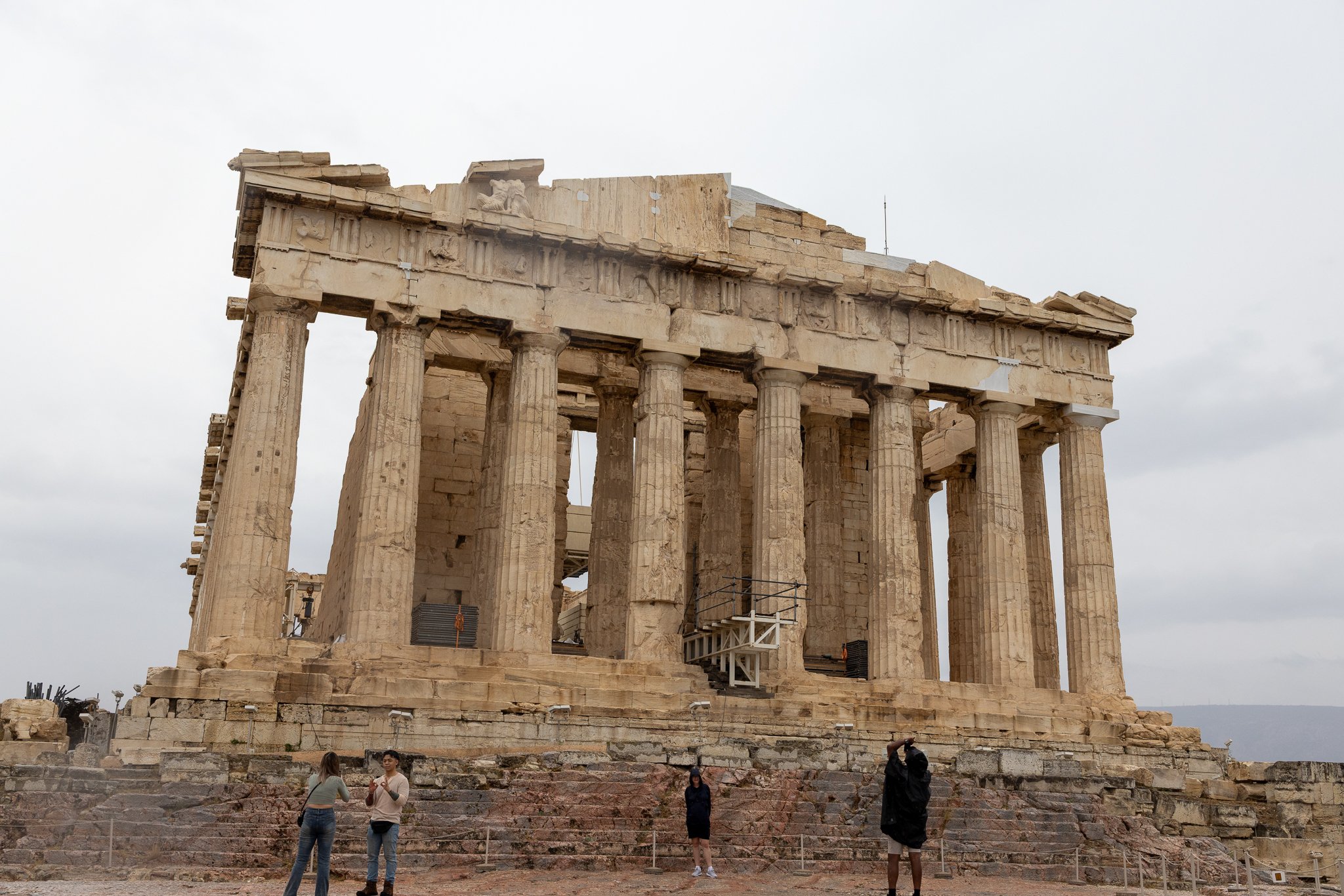
The Acropolis in Athens, Greece
Port 3: Athens, Greece — The Acropolis Was Impressive, the Day Was… a Lot
Athens wasn’t our favorite stop. It felt crowded and busy, and it rained most of the day—which never helps.
We booked a private tour and wouldn’t do it again (at least not in the same format). Unlike some other tours, it didn’t include ticket costs, and our guide couldn’t accompany us into several sites. That left us navigating on our own anyway.
The Acropolis: Worth seeing, but not stair-friendly
The Acropolis was genuinely cool to experience, but it involved lots of walking and stairs. If mobility is a concern, treat Athens as a “pick one major thing” day, and plan the rest around comfort:
- a good meal
- a scenic neighborhood walk
- a shorter museum visit
Retirement travel mindset (Fortress-style): Thriving in retirement isn’t about cramming everything in—it’s about choosing the parts that matter most and enjoying them at a pace you can repeat for years.
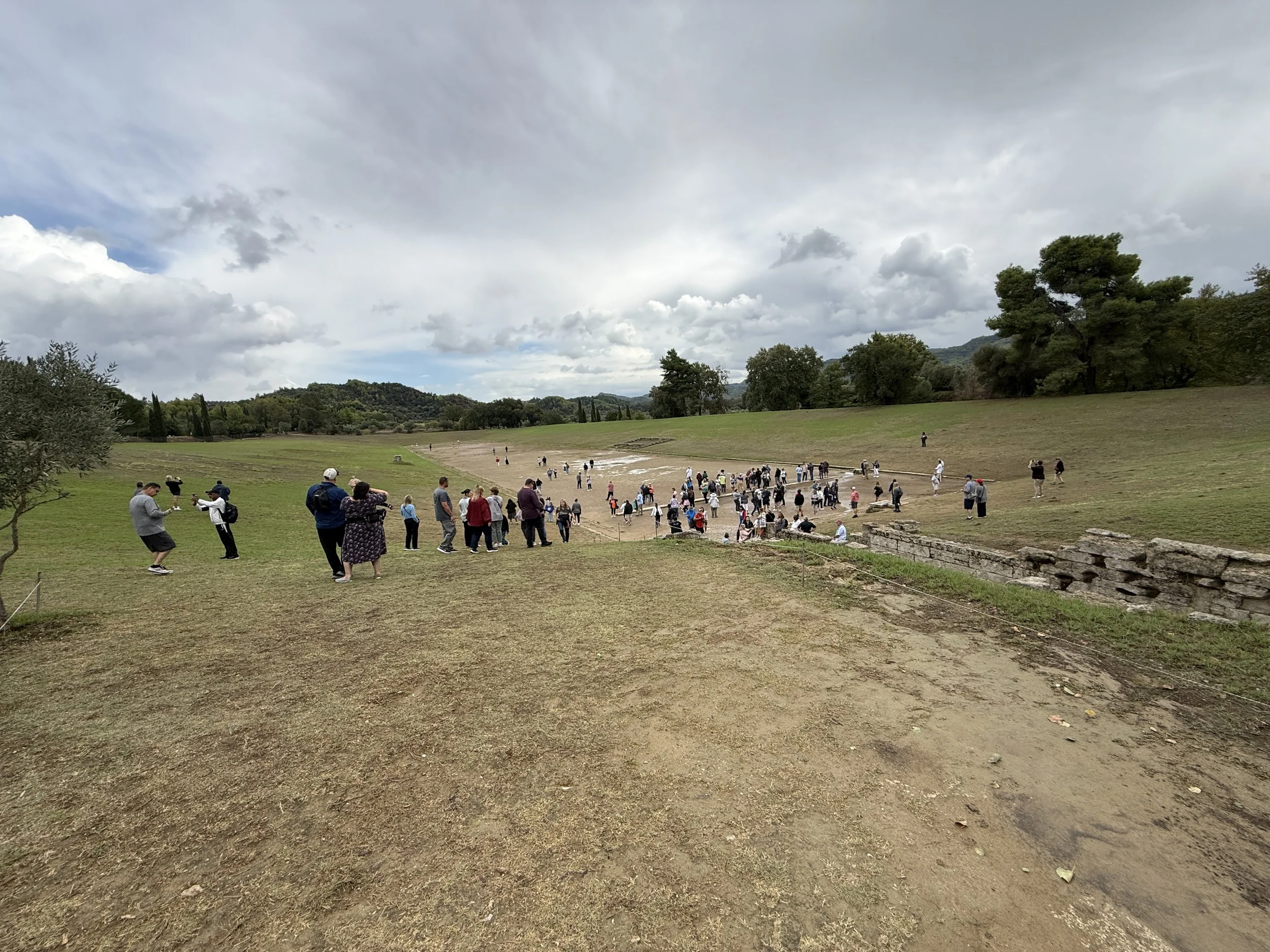
The first Olympic track in Olympia is a simple, earth-and-sand strip, about 192 meters long, the first recorded games were in 776 BC
Port 4: Katakolon, Greece — Olympia: Historic, But Manage Expectations
Katakolon is the gateway to Olympia, the site of the first Olympic Games. We took a local bus (~45 minutes) for about $20. Olympia was interesting—especially the museum artifacts—but it’s also the kind of site where you’re looking at foundations and ruins with signs showing what used to be there.
What to do in Katakolon (besides Olympia)
Katakolon itself is small. We ate lunch, walked the shops, and enjoyed the waterfront—but there isn’t a deep list of attractions.
Tip: This can be a great “lighter day” port:
- do Olympia if it matters to you historically
- otherwise, enjoy a slow café lunch and a relaxed walk
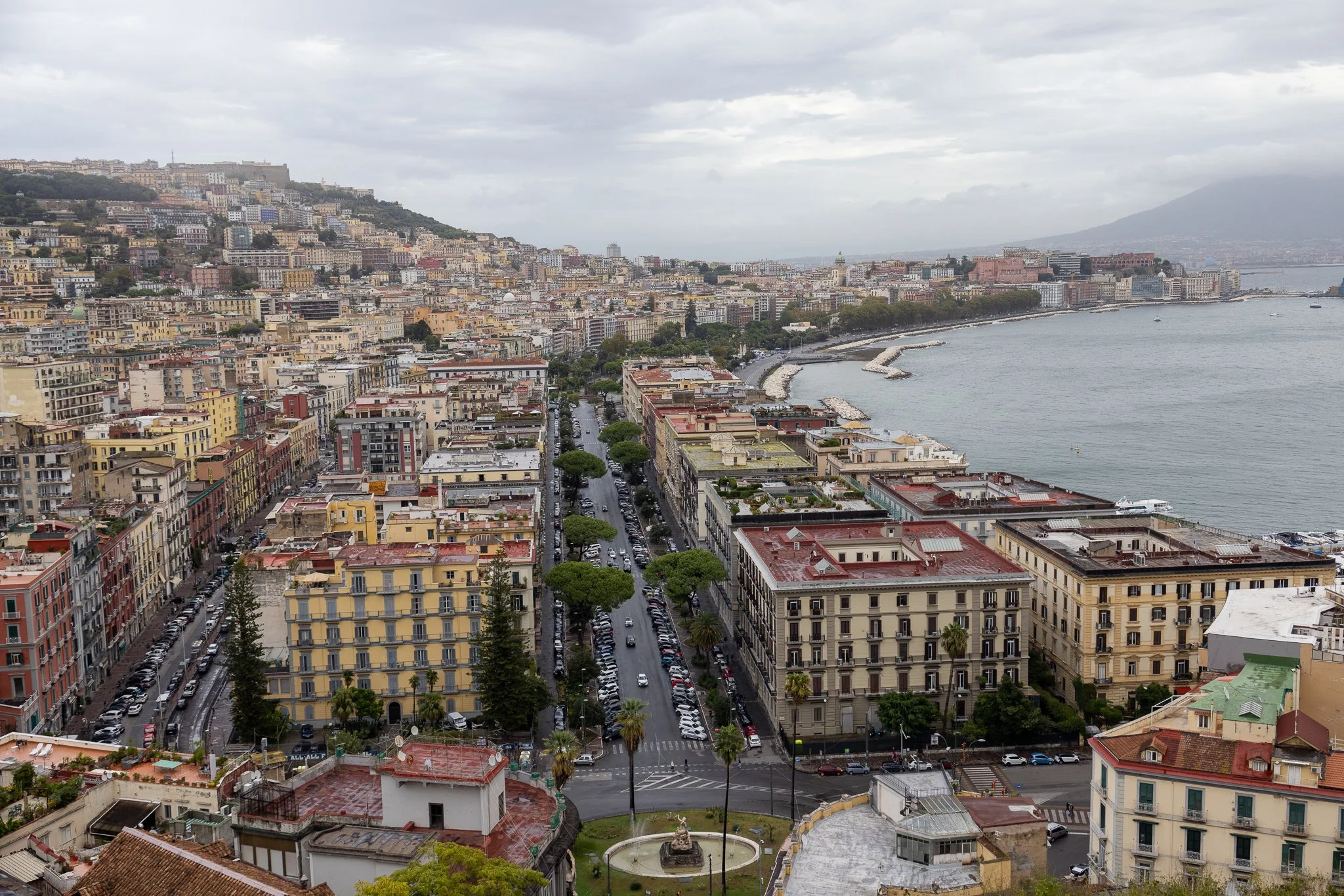
City of Naples with Mt Vesuvius over to the right
Port 5: Naples, Italy — Pompeii + Winery Was Our Favorite Day
Our final stop was Naples, and it was hands-down our favorite. We booked a group tour that included:
- guided Pompeii
- city touring
- lunch
- a winery tasting at Cantina Del Vesuvio
Pompeii is one of those places that feels unreal because it’s so preserved—like the past is right there in front of you.
And a personal moment we’ll always remember: our Naples driver played classic American songs, and we all sang along (yes, Sweet Caroline). It turned a great day into one we still talk about.
A note on Mt. Vesuvius: It’s still an active volcano
Vesuvius is considered an active volcanic system, and Italy’s Civil Protection Department maintains an emergency planning framework with defined hazard zones and evacuation/transfer planning.
At the same time, some researchers have raised concerns about evacuation feasibility given the density of the surrounding population.
You don’t need to be alarmed as a visitor—but it does add weight to the experience of standing in Pompeii and looking up at the mountain.
The Trip Home: The Unsexy Part of International Travel (And How to Make It Easier)
After returning to Civitavecchia, we had:
- a packed bus to the train station
- a packed commuter train (with luggage)
- a stressful train switch where we relied on helpful Italian speakers
Then at FCO (Rome airport), it felt like a luxury mall with fewer quick food options than we’re used to at MSP. Finally, we flew Rome → Philadelphia, endured a long layover + delay, and landed back in MSP at 11:45 p.m. after being awake for more than 25 hours.
Tips to make your return day smoother (especially 55+)
- If possible, avoid peak commuter times when traveling with luggage by train.
- Pack a “travel day” kit in your personal item:
- snacks
- empty water bottle (fill after security)
- pain reliever / daily meds
- charging cable + power bank
- light layer (planes and airports run cold)
- Consider whether a transfer service is worth it on the way back—sometimes paying more buys back a lot of calm.
What We’d Pack Differently Next Time (Our Real-World List)
We wish we brought:
- Rain jackets (fall weather is real)
- Sunglasses
- A smaller suitcase (mine was overweight on the way home)
We were glad we brought:
- Plug converter (essential)
- Cross-body bags (comfortable + secure)
- A cruise-approved outlet extender (many cruise lines restrict surge protectors, so check your line’s rules before you pack one)
Cash: we didn’t need as much as we thought
We brought more euros than necessary. We paid by card most places. Still, it’s smart to carry a small amount of cash for:
- small cafés
- tips
- quick purchases in tourist areas
Jet Lag & Sea Days: The Two Things That Can Quietly Ruin a Trip
Our jet lag strategy worked
We fought jet lag by:
- going to bed at regular Rome time
- refusing naps (as tempting as it was)
One night the ship really moved
We didn’t get seasick overall, but one night had noticeable motion.
55+ comfort tip: If you’re even slightly motion-sensitive, pack:
- motion sickness bands or medication
- ginger chews
- and choose a cabin location that minimizes motion when possible (middle of the ship)
Final Takeaways: A Mediterranean Cruise Can Be the Perfect 55+ Overseas Trip
If you’re considering a Mediterranean cruise—especially as part of a “we finally have time to travel” season of life—here’s what mattered most for us:
- Pre-book major attractions (Colosseum/Vatican) to save time, money, and stress.
- Build buffers into travel days (train platforms change; crowds happen).
- Choose comfort that multiplies joy (for us: the balcony cabin).
- Pick excursions that fit your pace (small group tours were our sweet spot).
- Pack smarter, lighter, and more weather-ready (rain jacket + smaller suitcase next time).
- Most importantly: don’t try to “win” the itinerary. Enjoy it.
Because the best retirement travel isn’t the trip you survive—it’s the trip you’re excited to do again.